Iva Taylor, C.Ht - Certified Hypnotherapist & Life Coach in Cape Coral, Florida

Category: Self Help

The Architecture of a Kind Mind: Moving from Discord to Unconditional Calm

There is a profound difference between thinking and being. Often, we spend our days lost in a whirlwind of “shoulds” and “musts,” forgetting that the most powerful state of mind is one of simple, honest presence.

When we sit down with a cup of tea and a moment of silence, we aren’t just resting; we are practicing the art of Unconditional Presence. This is the foundation of a life lived with honesty and love—a way to remain centered even when the world, or our own minds, feels chaotic.

The Loop of Honest Intention

In psychology, there is a concept called Unconditional Positive Regard. It suggests that for any person to truly flourish, they need an environment where they are accepted without judgment. The secret? We can provide that environment for ourselves.

When we approach our own thoughts with pure, honest intent, we stop fighting our internal weather. This creates a “loop” of self-trust: the more honest we are about our struggles, the more room we create for unconditional love to enter. We stop being our own harshest critics and start becoming our own most compassionate witnesses.

The Alchemy of the Shift: From “Fight-or-Flight” to “Flow”

We all know the feeling of discord—the tightening in the chest, the racing thoughts, the physical or mental “noise” that signals a state of fight-or-flight. In these moments, our biology is trying to protect us from a perceived threat.

The path to calm is not found by fighting this tension, but by Unconditional Acceptance.

To move from discord to harmony, we must practice the “Gentle Pivot.” Instead of saying, “I must stop feeling anxious,” which only adds more pressure, we pivot to: “I see that my body is trying to protect me. I accept this feeling, and I am here with it.” This simple shift in language moves the brain from a state of defense to one of observation.

Tools for Centering the Self in the Present

To help you anchor yourself when the waves feel high, here are three philosophical tools for centering:

1. The “Observer’s Seat” Imagine your mind is a vast, clear sky, and your thoughts and physical sensations are merely clouds passing through. Some clouds are dark and heavy; others are light. By taking the “Observer’s Seat,” you realize you are the sky, not the clouds. The discord may be present, but it is not you.

2. The Compassionate Breath-Bridge When you feel physical discord, use your breath as a bridge. As you inhale, imagine you are breathing in “Honesty”—acknowledging exactly how you feel. As you exhale, imagine you are breathing out “Unconditional Love” into the areas of your body that feel tight. You aren’t trying to “fix” the pain; you are simply keeping it company.

3. The Ritual of the Senses Centering is an embodied act. Choose one thing in your immediate environment—the warmth of a mug, the scent of chamomile, the weight of your feet on the floor. Bring your entire focus to that one sensation. In that moment of pure sensory experience, the “fight-or-flight” response begins to dissolve because the body realizes it is safe in the now.

A Mantra for the Loop: PUL and LUP

When we find ourselves drifting toward judgment or stress, we can return to a simple, honest mantra: Pure Unconditional Love (PUL) and its returning loop, Love Unconditional and Pure (LUP).

  • PUL: I offer myself, love without conditions, exactly as I am in this moment of discord.

  • LUP: That love returns to me, clearing the path for honesty and peace.

Today’s Reflection

Growth doesn’t have to be a loud, aggressive process. It can be as quiet as the steam rising from a cup of tea. When we combine the science of how we think with the philosophy of how we are, we create a life that feels consistent and whole.

No matter what discord you may be facing today, remember: you do not need to be “perfect” to be at peace. You only need to be present.
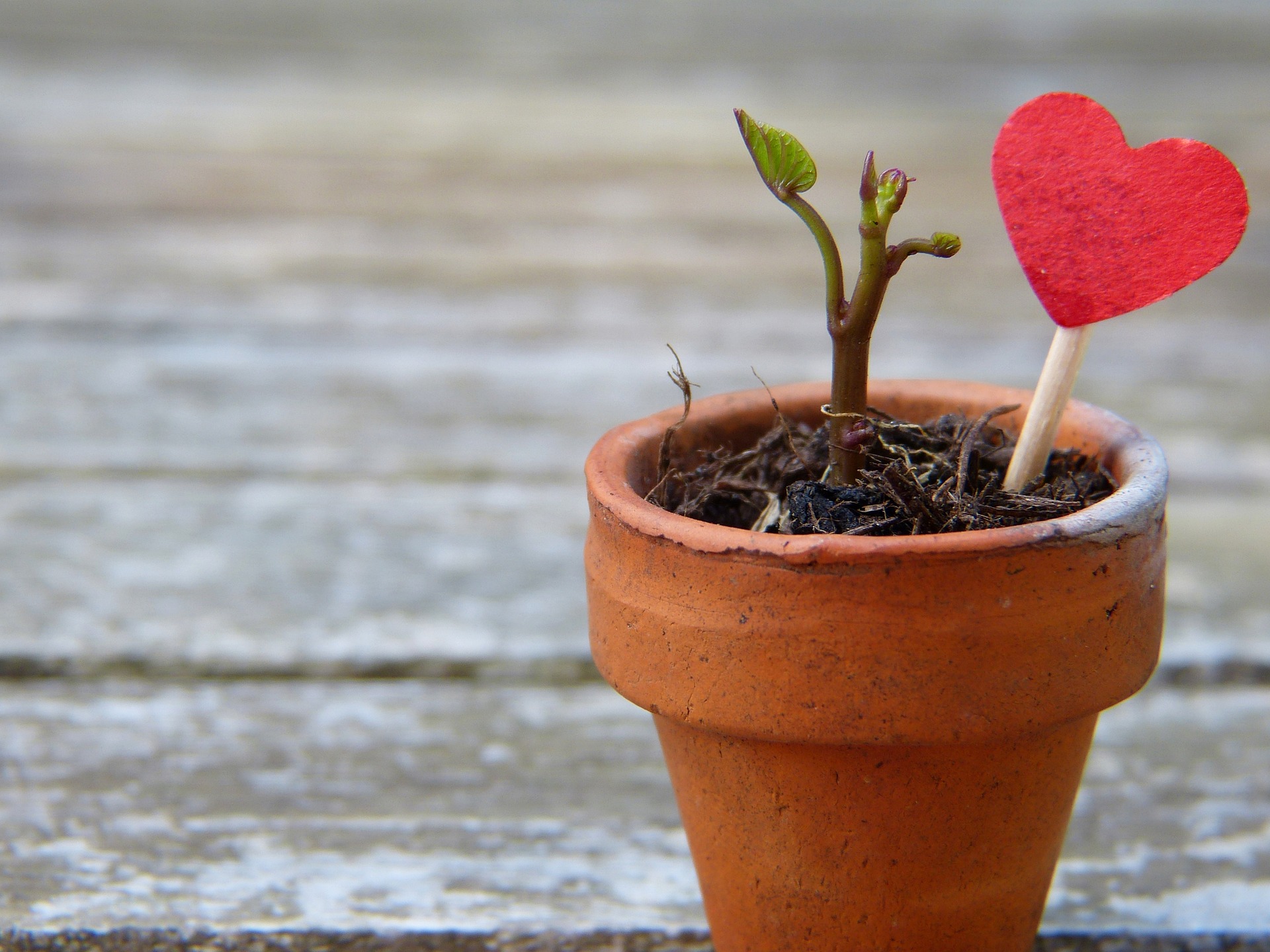

3 Keys to Happiness in Daily Life

It doesn’t take a whole new routine to instill a dose of happiness into your day—but it does take a little self awareness.

1. Be grateful for the good & the bad.

Research shows, grateful people are happy people. It’s also important to understand that happiness is not the absence of negative feelings. Gratitude is a focus on the present and appreciation for what we have now, rather than wanting more. Embracing gratitude, as a state of mind, can have a positive affect on all aspects of life including our happiness and overall satisfaction.

Up your mood by taking a moment daily to think of your world with gratitude. Start a gratitude journal or take a walk in nature paying attention to all the gifts around us. Think of a person that helps you on a daily or weekly basis – a spouse, parent, friend, pet, teacher, cleaner, or babysitter.

Quiz: How grateful are you? Take the Gratitude Quiz published by the Greater Good Science Center at UC Berkeley.

2. Flex your creativity muscles.

Do you have a passion or hobby? It doesn’t have to be a formal activity, simply engaging in creative thinking can enhance well-being by enhancing cognitive flexibility and problem-solving abilities. A recent study out of New Zealand, published in The Journal of Positive Psychology explains that creative activities can trigger an “upward spiral” of well-being.

“Practicing an art — no matter how well or badly — is a way to make your soul grow. So do it.” – Kurt Vonnegut.

Make some space in your day to create, even if it’s just for the sake of it. Try exploring unique textures or even natural and recycled materials to make something for your home or a friend. Looking for some tips on how to add more creativity into your daily life? Read this list of 101 creative habits to explore.

3. Get connected, Stay connected.

Being apart of something larger than yourself can help bring perspective as well as a sense of belonging. Scientific evidence strongly suggests that feeling like you belong and generally feel close to other people is a core psychological need; essential to feeling satisfied with your life. The pleasures of social life register in our brains much the same way physical pleasure does.

So take the time to nurture a friendship that is important to you. Make an extra effort to show you care, send a card, make a plan to have lunch, or give them a call and really listen to what they say. Smile and say hello to a stranger. Tell a story when someone asks how your day is going. Notice how you feel when you share something with someone new.

Struggling and need support? Join a support group and talk to others that can relate. Find your tribe: support.therapytribe.com – a free online support community brought to you by TherapyTribe.

TherapyTribe - Wellness Tracker Tip: Check out the wellness tracker. It’s a simple but powerful tool designed to help you remember the promises you make to yourself. As you complete wellness activities your tree will blossom, and so will you!

Sidebar